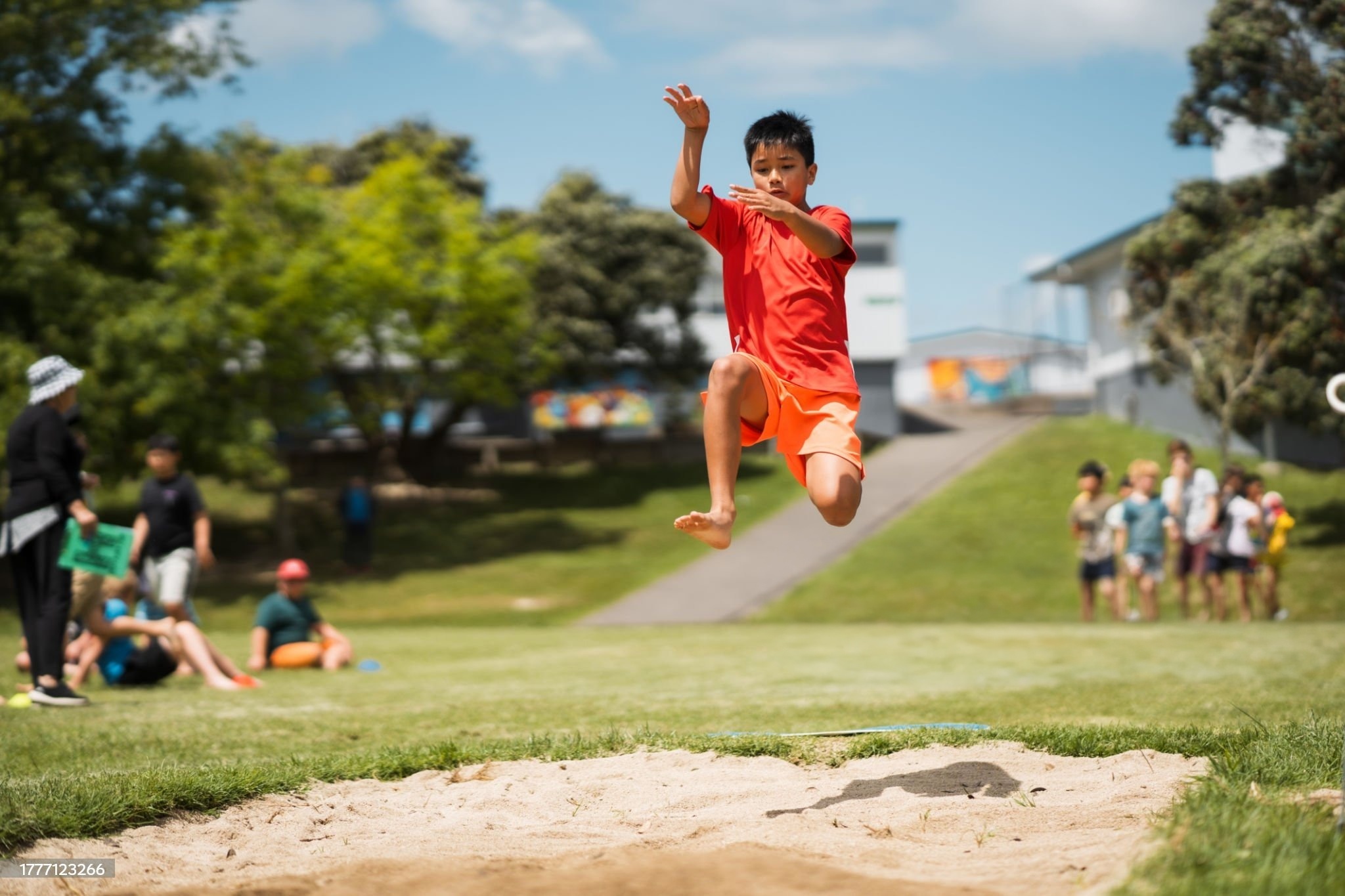
What physical education is
Physical education is the structured teaching and learning of movement. Its purpose is not simply to keep students moving or to prepare them for competitive performance. It is to use movement as a context for learning that is rich, purposeful and connected to the lives of young people.
More than organised activity
Physical education focuses on developing movement competence, understanding and confidence. It supports ākonga to engage with movement in ways that are purposeful and meaningful. This includes:
- developing physical skills and capabilities
- understanding how and why movement works
- exploring how movement connects to identity, culture, environment and society
- experiencing hauora through participation
Physical education is inclusive by design. This means more than providing access. All ākonga, regardless of ability, background, gender, culture or prior experience, are supported to participate meaningfully, experience genuine success, and see themselves reflected in the learning.
Personally meaningful and socially informed
The participatory purpose
Physical education supports ākonga to make meaning in their movement and understand how movement contributes to their lives. All learners are supported to explore how movement can enhance a full and active life.
The critical purpose
Physical education supports ākonga to engage critically with movement. They learn to reflect on their decisions, recognise influences, and understand how social, cultural and environmental factors shape the way movement is experienced and valued.
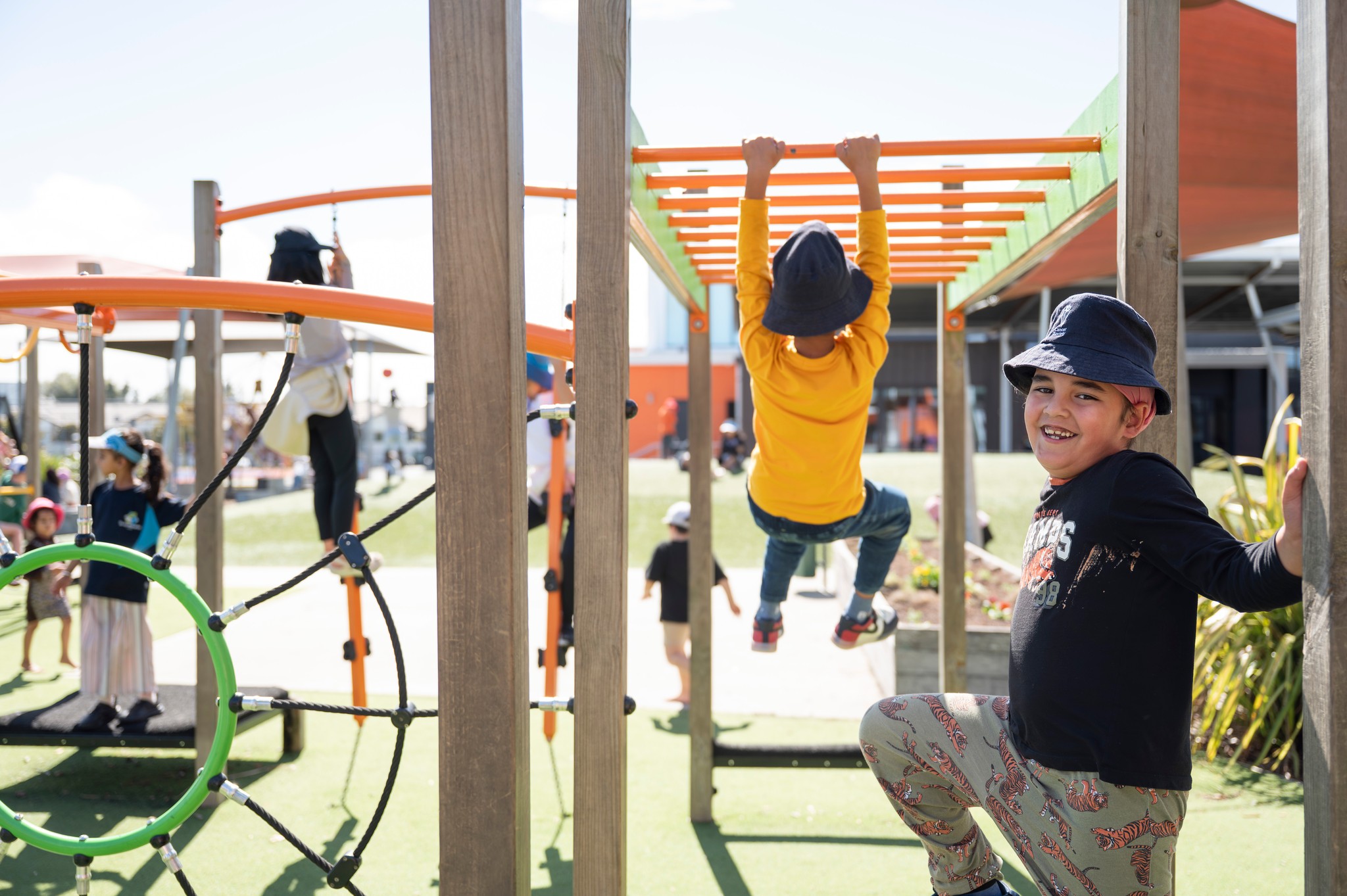
Five dimensions of movement
Physical education is a distinct discipline centred on movement: how people move, how they experience movement, and how movement shapes their lives. Five dimensions illuminate the breadth of what that means.
The five dimensions are interconnected: together they define what makes physical education a distinctive and essential learning area.
Movement as a lived experience
Developing confidence, control and capability.
Movement is felt as much as it is seen. Ākonga experience balance, rhythm, timing, effort and coordination in real time. Physical education supports ākonga to:
- develop coordination, balance and control across varied movement contexts
- respond and adapt their movement to different tasks, environments and challenges
- experience effort, progress and the satisfaction of improvement
- explore a range of ways of moving, including creative and expressive forms
Movement as meaning-making
Understanding self, identity and experience.
Ākonga interpret their experiences and develop an understanding of what movement means to them: what they enjoy, where they feel confident, and how they respond to challenge. Physical education supports ākonga to:
- interpret how movement experiences influence their sense of self
- recognise what they value in movement and why
- respond to challenge, success and failure in ways that build personal insight
- make connections between movement and their identity, interests and motivations
Movement as social, cultural and environmental practice
Learning through relationships, place and participation.
Ākonga learn to move with others, developing cooperation, respect and responsibility. Physical education supports ākonga to:
- collaborate, negotiate, compete and contribute across movement contexts
- recognise how culture shapes movement practices and participation
- examine how access, inclusion and opportunity differ across contexts
- adapt their behaviour and participation across different social and environmental settings
Movement as knowledge in practice
Applying understanding in dynamic situations.
Physical education develops understanding through movement. When ākonga understand how and why movement works, not just that it works, they are equipped to engage with movement independently, critically and for life. In physical education ākonga learn:
- how the body moves and responds
- how skills are developed and refined
- how to make decisions in dynamic environments
- how psychological factors influence participation
- how social and cultural contexts shape movement experiences
Movement as hauora and wellbeing
Experiencing wellbeing through movement.
Within physical education, the dimensions of Te Whare Tapa Whā are not taught in isolation. They are experienced, shaped and understood through movement. Physical education supports ākonga to:
- experience the interconnection between physical, social, emotional and spiritual dimensions of wellbeing
- recognise how different movement contexts influence their sense of balance, connection and identity
- develop strategies to manage challenge, build resilience and sustain participation
- understand how their wellbeing is shaped by relationships, environments and the choices they make
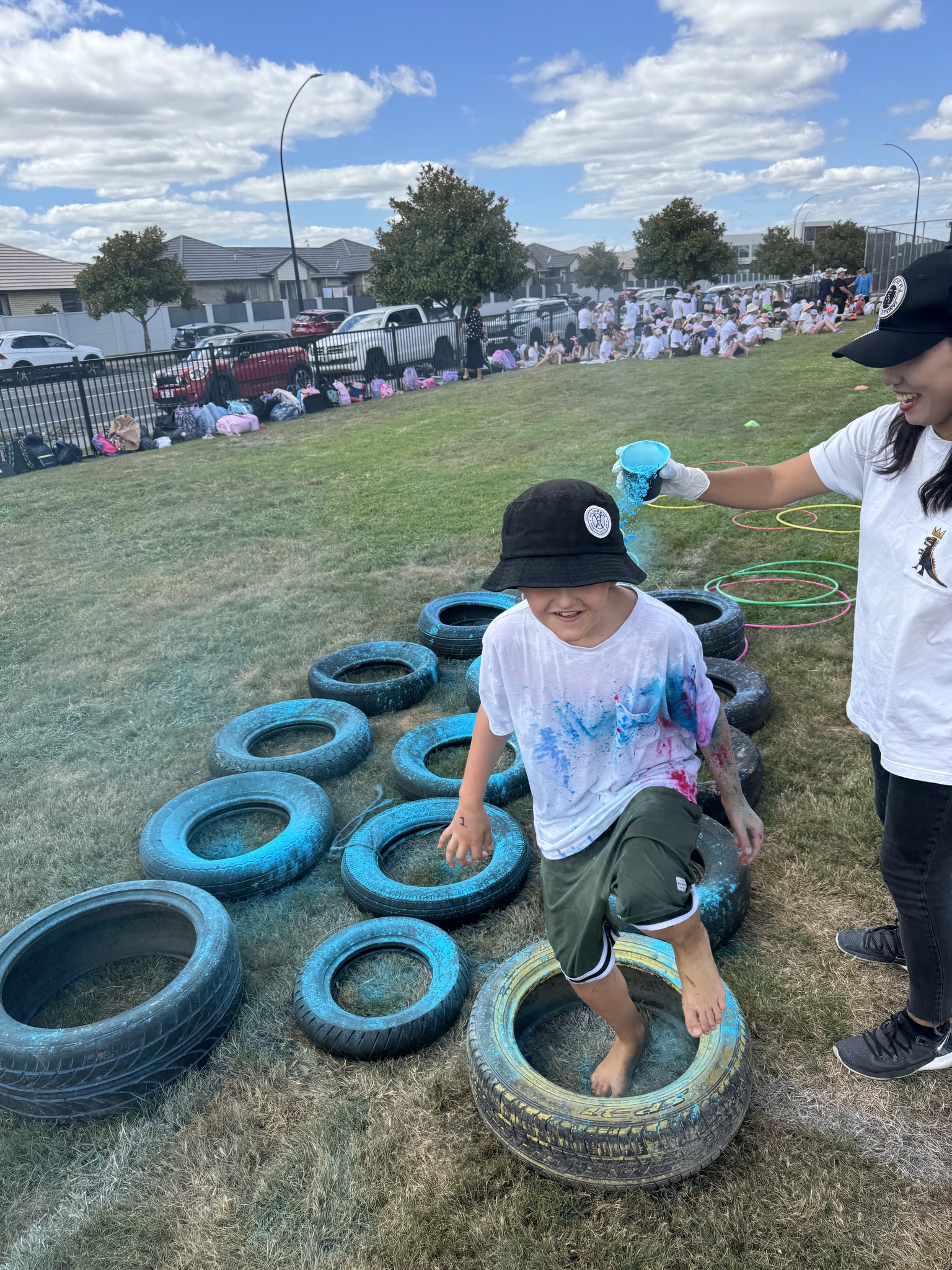
"We see PE as resilience labs. It's a safe place to fail, to get back up, and to try again. The perseverance a student learns is exactly what they need when they're struggling with a complex maths problem or a personal issue at home."
Secondary school guidance counsellor