
Learning in, through and about movement
Taken together, the dimensions of movement define the distinctive contribution of physical education. This integration is most clearly understood through the framework of learning in, through and about movement, first articulated by Peter Arnold in 1979 and still influential in shaping how movement is understood as a rich, multidimensional context for learning.
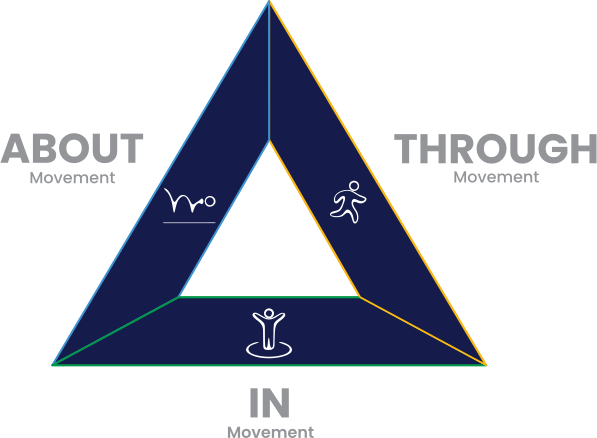
Learning in movement
Experienced through doing.
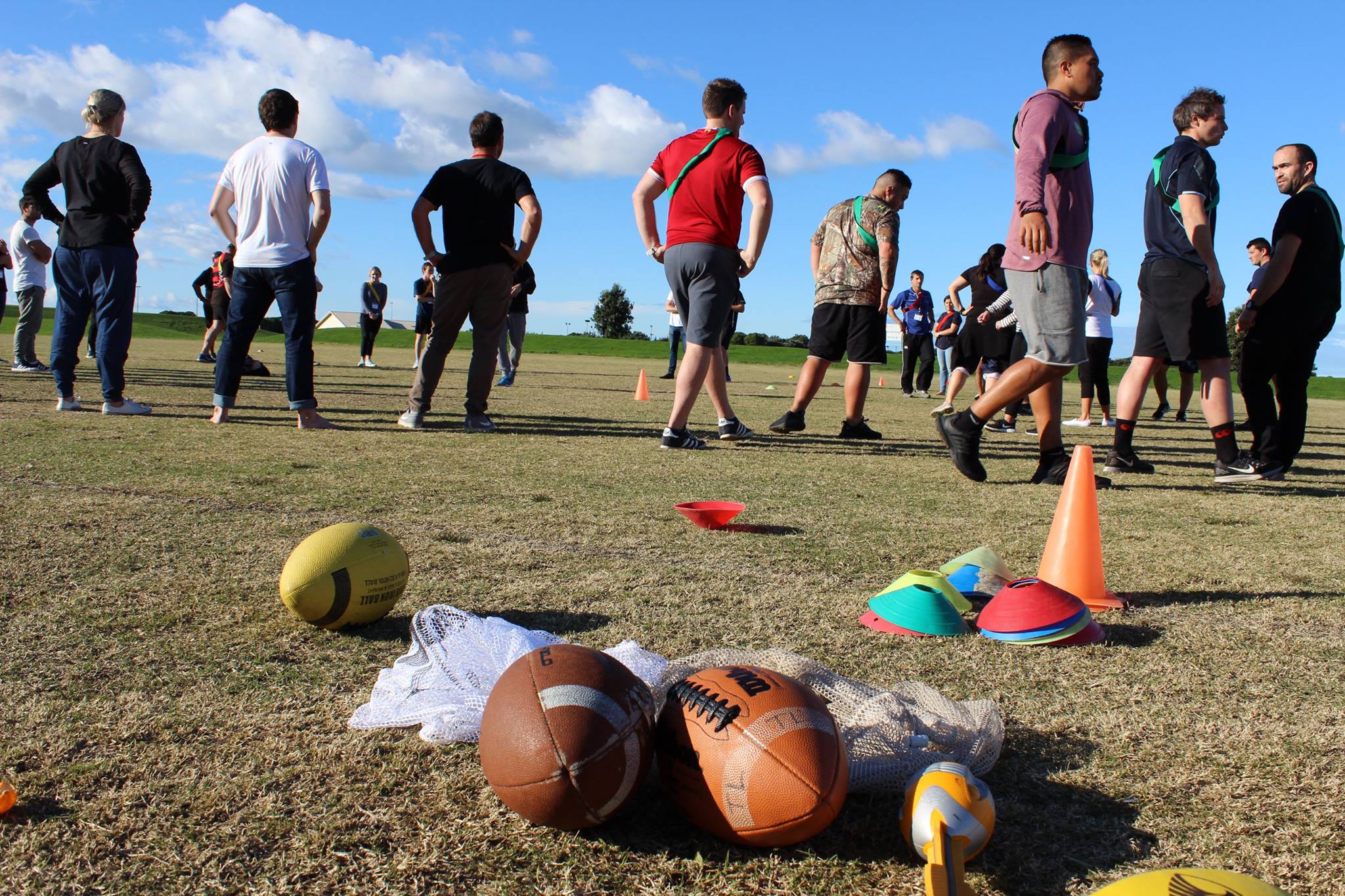
Learning in movement is experienced through doing: developing skills such as controlling a basketball dribble, refining balance and coordination, or exploring movement through dance and other expressive forms. Through these experiences, ākonga build confidence in what their bodies can do and develop greater control, fluency and adaptability.
Teachers design practical learning experiences that prioritise exploration, challenge and success. Tasks are adapted so all ākonga can participate meaningfully, regardless of ability or prior experience. Sometimes this learning occurs through sport, and sometimes through a wider range of movement contexts.
Examples of learning in movement
- developing balance, coordination and control through a range of activities
- refining movement skills such as running, jumping, throwing or swimming
- exploring rhythm and expression through dance or creative movement
- adapting movement across different environments and conditions
- practising skills in modified or small-sided contexts to support success
- building confidence through repeated practice and feedback
Learning through movement
Developed alongside others.
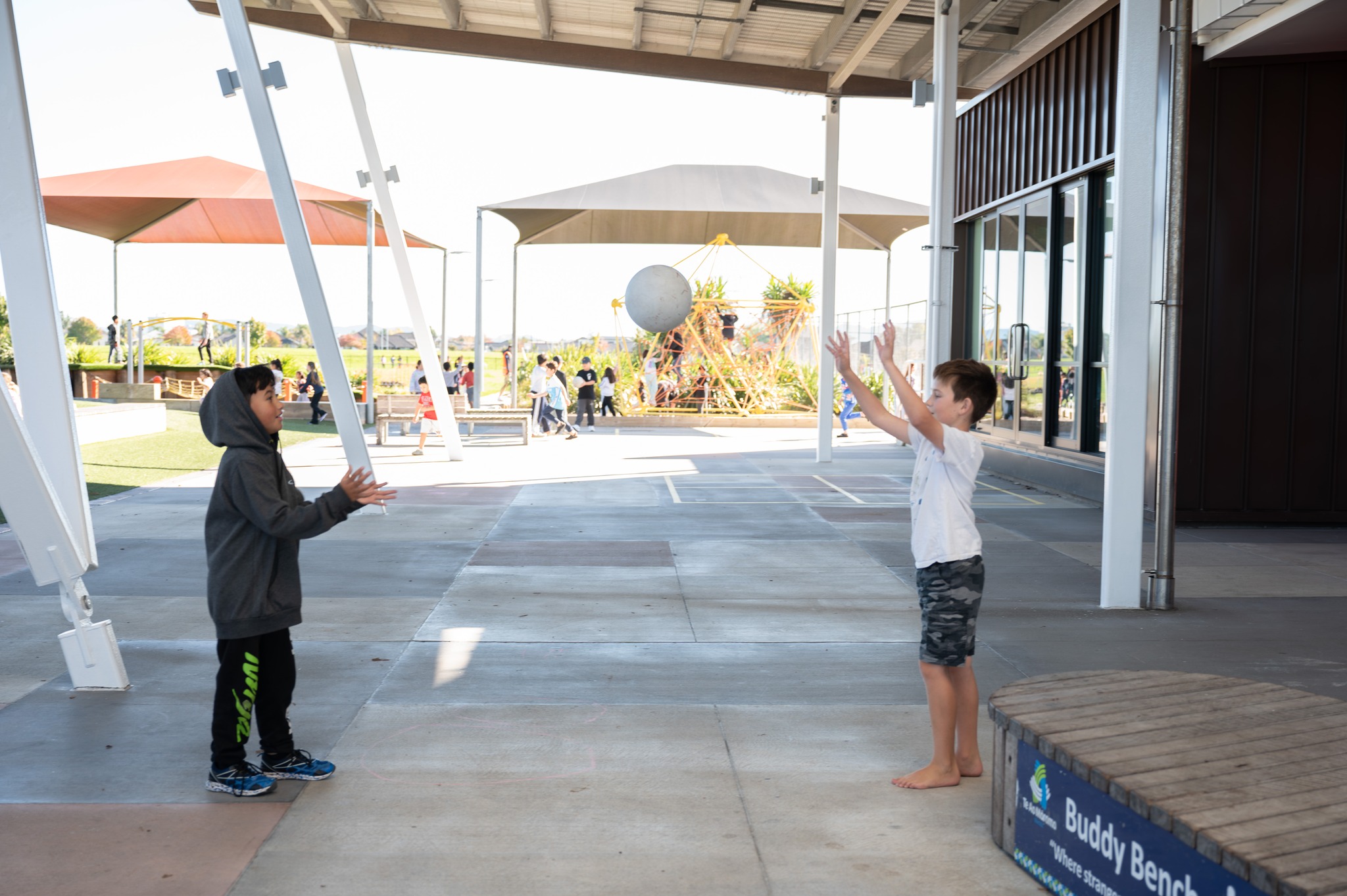
Learning through movement occurs as ākonga interact with others and navigate shared experiences. Movement becomes a context for developing social, emotional and ethical understanding. Through participation, ākonga learn how to communicate, cooperate, make decisions and respond to challenge alongside others.
The role of the teacher is critical. They shape the environment, select appropriate contexts, and adjust the level of challenge so that learning is accessible and meaningful. Thoughtful design promotes inclusion, respect and a sense of belonging, while avoiding experiences of exclusion, shame or elitism.
Examples of learning through movement
- working together to solve group challenges that require communication and shared decision making
- rotating roles to understand different responsibilities
- reflecting on how individuals and groups responded to success, failure or conflict
- supporting peers to participate
- negotiating strategies and roles
- designing or modifying game rules as a group to improve fairness and inclusion
- giving and receiving feedback in ways that support others to improve and feel valued
Learning about movement
Thinking critically about movement and the contexts that shape it.
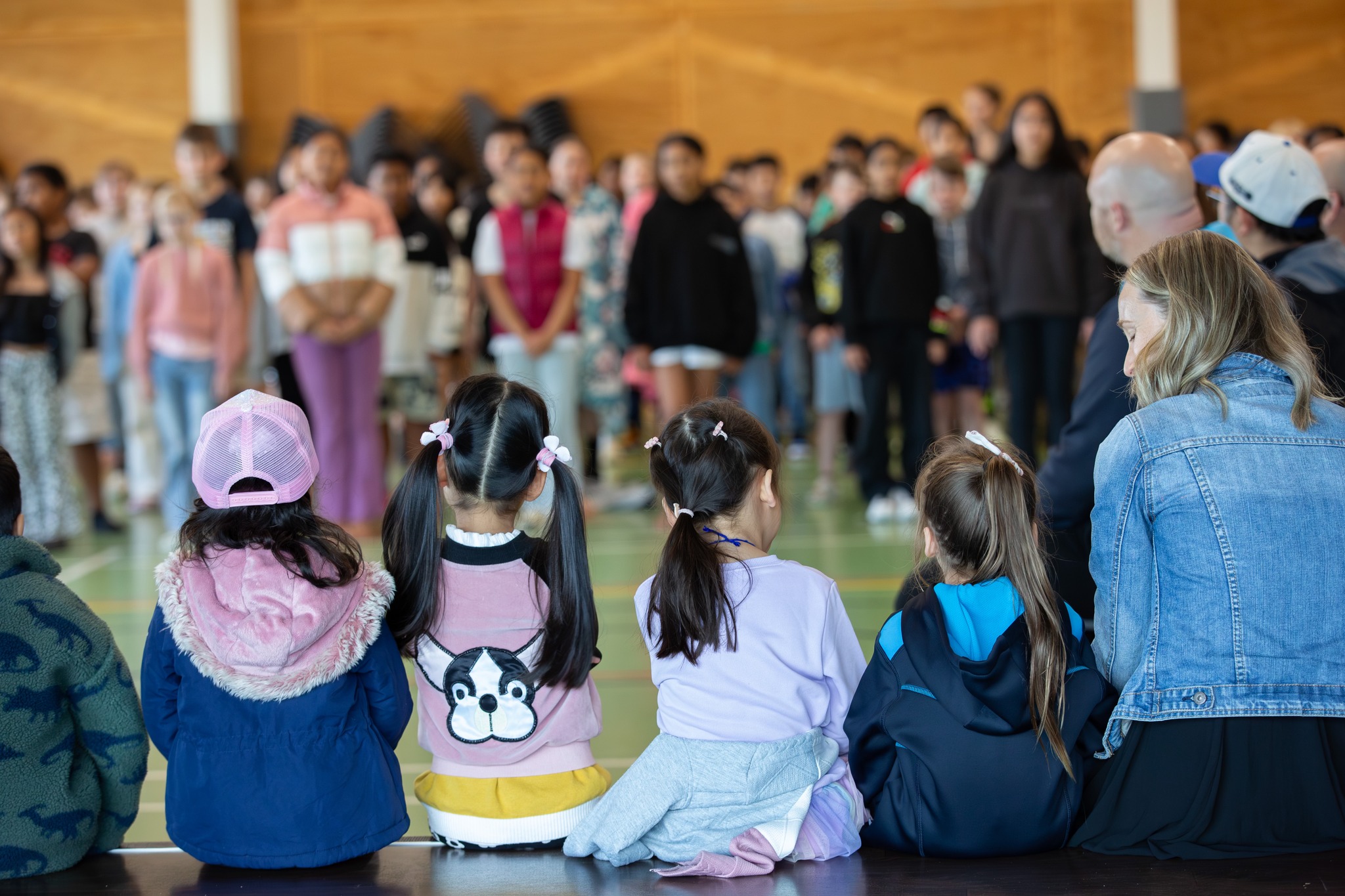
Learning about movement involves thinking critically about movement and the contexts that shape it. Ākonga explore how movement is influenced by science, culture, technology and the environment. They examine how bodies work, how skills develop, and how ideas about movement are formed and challenged.
Teachers create opportunities for ākonga to question, investigate and apply knowledge: exploring biomechanics and exercise physiology, examining the impact of technology such as AI, e-sports or virtual environments, or engaging with cultural movement practices, including indigenous games.
Examples of learning about movement
- exploring how the body moves and responds to training
- investigating how technology is changing movement, such as wearable tech, e-sports or virtual environments
- examining issues such as performance enhancement, fairness and ethics in sport
- learning about the origins and meanings of cultural and indigenous movement practices
- analysing how rules, uniforms or structures can be adapted to better include all participants
- understanding how environmental factors influence movement opportunities and spaces
Interdependent and mutually reinforcing
When physical education focuses only on skill development, movement can become narrow and performative. When learning is disconnected from lived experience, it loses depth and relevance. Quality physical education intentionally brings these elements together.
In an Aotearoa New Zealand context, learning in, through and about movement must also reflect the environments in which movement occurs: the significance of place, the natural world, and the relationships people hold with them. In this sense, the framework is not only personal and social, but also cultural and environmental.
What this looks like in your planning
Planning and integration
Plan learning experiences that bring doing, thinking and relating together. When these elements are combined well, a single lesson can develop physical skill, deepen understanding, and strengthen relationships at the same time.
Designing learning
Design tasks where ākonga are moving, making decisions, and reflecting on their experiences. Ask yourself whether the learning you intend is actually occurring, not just whether the activity is running smoothly.
Practice balance
Check that your programme offers ākonga opportunities to develop physical capability, work with others, and engage with movement knowledge more deeply.
Intentionality
Be deliberate in how you design and guide learning. A well-chosen task with clear learning intent will always achieve more than activity for its own sake.