The story of Physical Education New Zealand Te Ao Kori Aotearoa is part
of a much wider history of movement, teaching, professional leadership,
and educational change. Across generations, physical educators have
connected, challenged ideas, built institutions, and worked to strengthen
the place of physical education in Aotearoa.
This is a living history.
It recognises the people, organisations, debates, publications,
conferences, and curriculum developments that shaped PENZ and the
profession it serves. It also acknowledges that no single timeline can
capture every person, community, or contribution.
The history of physical education in Aotearoa began long before the
formation of a national professional association. Māori communities
maintained rich traditions of movement, games, physical preparation,
dance, competition, recreation, and learning through activities such as
tī rākau, poi, mau rākau, haka, whai, and a wide range of games and
pastimes.
During the nineteenth and early twentieth centuries, schooling was
increasingly shaped by British models of physical training. Drill,
calisthenics, marching, military discipline, and imported exercise
systems became prominent. Over time, these approaches were challenged by
educators seeking broader, more developmental and educational forms of
physical activity.
Before 1840
Movement and learning in te ao Māori
Iwi and hapū held diverse traditions of physical activity, play,
movement, skill development, competition, preparation, and
recreation. These practices carried social, cultural, practical,
and educational meaning.
1877
Physical training enters the school curriculum
The Education Act established a national system of schooling and
included physical training and military drill. It also recommended
that school sites provide space for play.
1901
Physical drill becomes compulsory
The Physical Drill in Public Schools Act made physical drill
compulsory for boys and girls over eight years of age, although
there was not yet a consistent national syllabus.
1912
A national physical training service develops
Royd Garlick was appointed Director of Physical Education in the
Department of Education, and nine physical training instructors
were appointed. This marked an important step towards a national
professional service.
1920s–1930s
Debate about the purpose of physical education
Educators increasingly debated whether physical education should
remain focused on drill and prescribed exercise or move towards
broader ideas about growth, health, recreation, movement, and
child development.
Dr James Renfrew White became an influential and sometimes
controversial voice through his teaching and the publication of
The Growing Body.
By the 1930s and 1940s, physical education was developing a stronger
professional identity. Specialist teachers, advisers, university
educators, recreation leaders, medical practitioners, and curriculum
advocates began to build networks and establish new approaches to
teaching and learning.
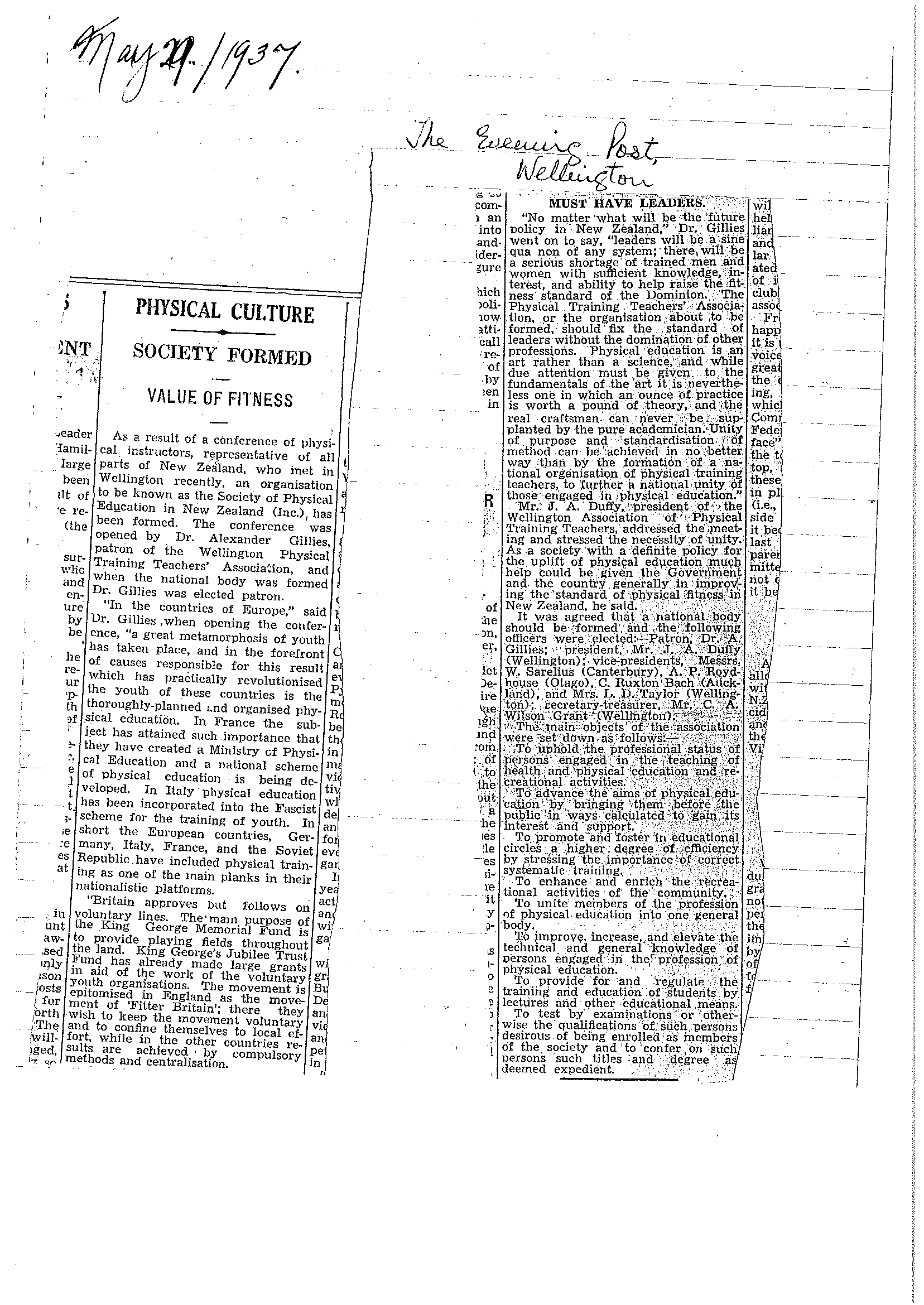
1937
Physical welfare and recreation gain national attention
The Physical Welfare and Recreation Act reflected growing public
and government interest in recreation, physical activity, health,
and community participation.
1939
Philip Smithells appointed
Philip Smithells became Superintendent of Physical Education in the
Department of Education. He would become one of the most important
figures in the development of professional physical education in
New Zealand.
1945–1952
The Bulletin connects the profession
The New Zealand Physical Education Society published
The Bulletin, largely edited by Olive and Philip Smithells.
It shared professional news, ideas, teaching material, commentary,
correspondence, and international developments.
1947
The School of Physical Education is established
The University of Otago established its School of Physical
Education with Philip Smithells as Director. The School became a
major centre for teacher education, scholarship, research, and
professional leadership.
The Physical Education Society provided a national professional home for
people committed to the development of physical education. It connected
members through branches, examinations, publications, congresses,
professional debate, and opportunities for recognition.
1953
A national professional community takes shape
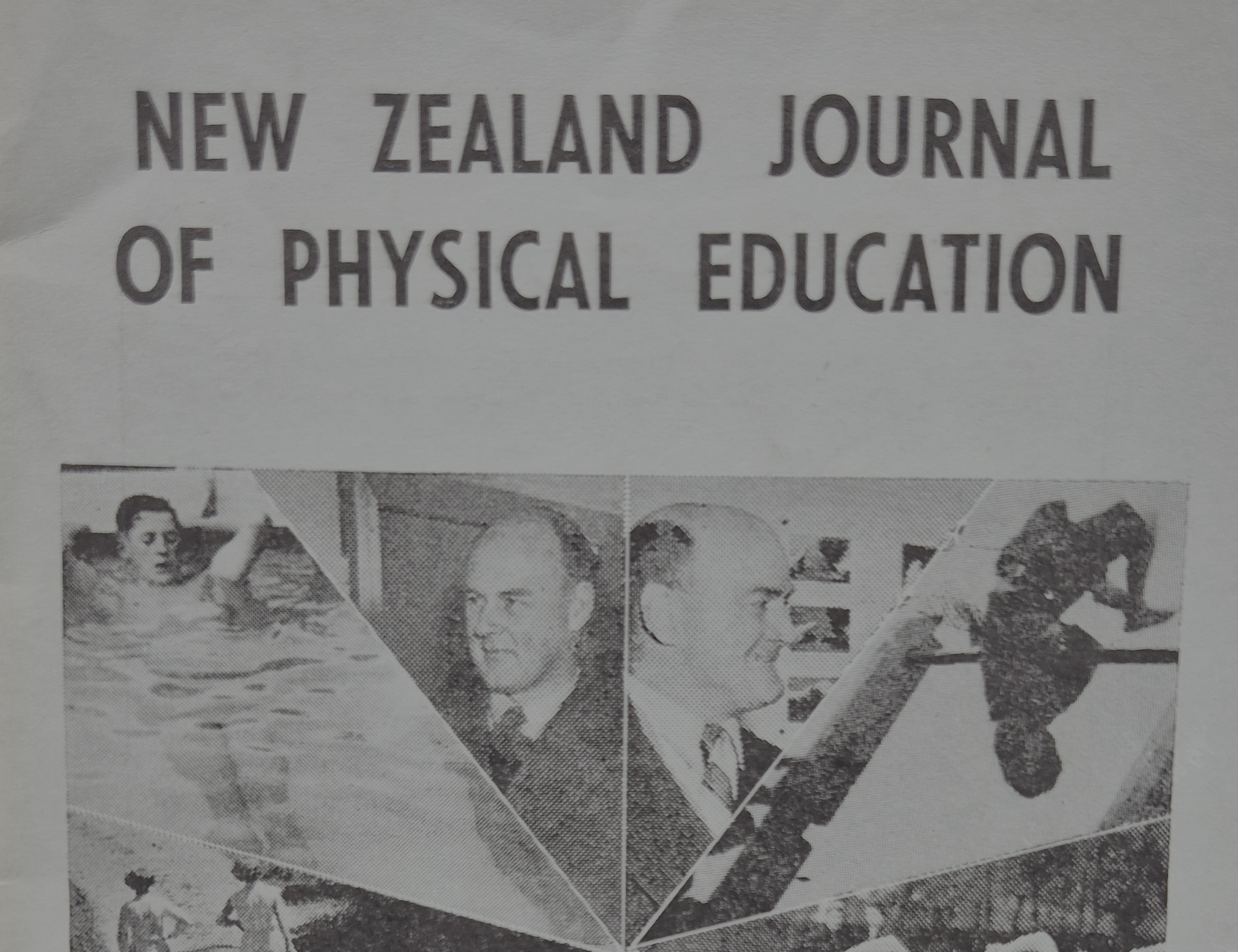
The Society held its first Congress at the University of Otago and
published the first issue of the New Zealand Journal of Physical
Education.
1953
The first Congress
Members gathered at the University of Otago to exchange ideas,
discuss professional issues, and build a stronger national
community. Congresses became significant occasions for learning,
debate, social connection, and professional leadership.
1953
The professional journal begins
The first journal of the Physical Education Society was published.
It created an enduring platform for teachers, advisers, lecturers,
researchers, and leaders to share ideas and contribute to the
development of the profession.
1959
Congress considers national education reform
A major Society Congress debated the content of a professional
submission to the Currie Commission on Education, demonstrating
the growing advocacy role of the organisation.
1960s
Professional qualifications and recognition grow
Associate and Fellowship pathways supported professional study and
recognition. The Society’s examinations became recognised
qualifications for salary purposes, helping establish physical
education as a serious professional and academic field.
Image: A newspaper article from May 29, 1937 outline the formation and
creation of the Society of Physical Education in New Zealand (inc). Source: https://www.penz.org.nz/edit/library/images/1937_penz_vision_.png
Image: New Zealand Journal of Physical Education, an early journal edition.
The NZAHPER era
During the 1960s, the organisation broadened its scope beyond physical
education alone. Health education and recreation were increasingly
recognised as connected professional fields, and the organisation
adapted to reflect that wider interest.
1967
A new name and a broader professional mandate
The Physical Education Society became the New Zealand Association of
Health, Physical Education and Recreation, commonly known as
NZAHPER.
1967
The Society becomes NZAHPER
The new name reflected a broader professional community and the
growing relationship between health education, physical education,
and recreation.
1969
The first Sir Alexander Gillies Medal
Sam Lewis became the first recipient of the Sir Alexander Gillies
Medal for outstanding service to the profession. Awards and
fellowships became an important means of recognising leadership,
scholarship, and sustained contribution.
1974
An international conference at Lincoln
NZAHPER organised an international conference at Lincoln College
in association with the Christchurch Commonwealth Games. The event
became a landmark in the history of New Zealand physical
education.
1970s–1980s
Advocacy through a period of change
NZAHPER contributed to debate about curriculum, recreation,
outdoor education, qualifications, professional development, and
the quality of physical education in schools.
The organisation also worked with partners on national programmes
and resources, including initiatives that connected physical
activity, health, participation, and fundraising.
1983
Rosalie King becomes national president
Rosalie King, later Rosalie Mitchell, became the first woman to
serve as national president of NZAHPER. Her leadership reflected
the significant contribution of women across teaching, curriculum,
dance, teacher education, and professional service.
1987
Te Reo Kori recognised in the syllabus
Te Reo Kori, described as the language of movement, was officially
recognised as an integral component of the physical education
syllabus. This was an important step, while also reflecting an
ongoing and much larger journey towards bicultural practice.
1990
International conference in Auckland
NZAHPER organised another international conference, hosted at the
Auckland College of Education in association with the Auckland
Commonwealth Games.
People who helped shape the organisation
PENZ’s history is inseparable from the people who contributed their time,
knowledge, leadership, ideas, and energy. The people below represent only
a small selection from a much wider professional community.
Education and professional leadership
Philip and Olive Smithells
Philip and Olive Smithells helped build professional networks,
publications, education, and debate during the formative years of the
Physical Education Society.
Scholarship and professional recognition
Sam Lewis
A prolific writer, educator, examiner, Society president, Congress
organiser, and the first recipient of the Sir Alexander Gillies Medal.
Leadership and inclusion
Rosalie Mitchell
Teacher educator, curriculum contributor, conference organiser, Fellow,
Life Member, and the first woman to serve as national president.
By the early 1990s, changes in curriculum, assessment, teacher
education, school administration, and the wider sport and recreation
system had reshaped the professional environment. The organisation
responded by clarifying its identity and renewing its focus on physical
education.
1993
Physical Education New Zealand
NZAHPER changed its name to Physical Education New Zealand, or PENZ,
creating the organisational identity used today.
Physical education received University Bursary status, and schools
began trialling Bursary physical education. This reflected decades
of work to establish the subject’s academic and educational
credibility.
1993
The PENZ name is adopted
The organisation became Physical Education New Zealand. The new
name placed physical education clearly at the centre of the
organisation’s public identity and professional purpose.
1990s
New programmes, qualifications, and partnerships
The decade brought new tertiary programmes, changing curriculum
and assessment structures, expanding partnerships, and continued
debate about the role of physical education in schools and society.
1995
Supporting the preservation of professional history
PENZ supported Bob Stothart through the Sir Alexander Gillies Award
to complete For the Record, an extensive reference work
documenting people, programmes, institutions, and developments in
New Zealand physical education.
1998
A new Health and Physical Education syllabus
A new national Health and Physical Education syllabus was
distributed to schools, reflecting a period of significant
curriculum development and change.
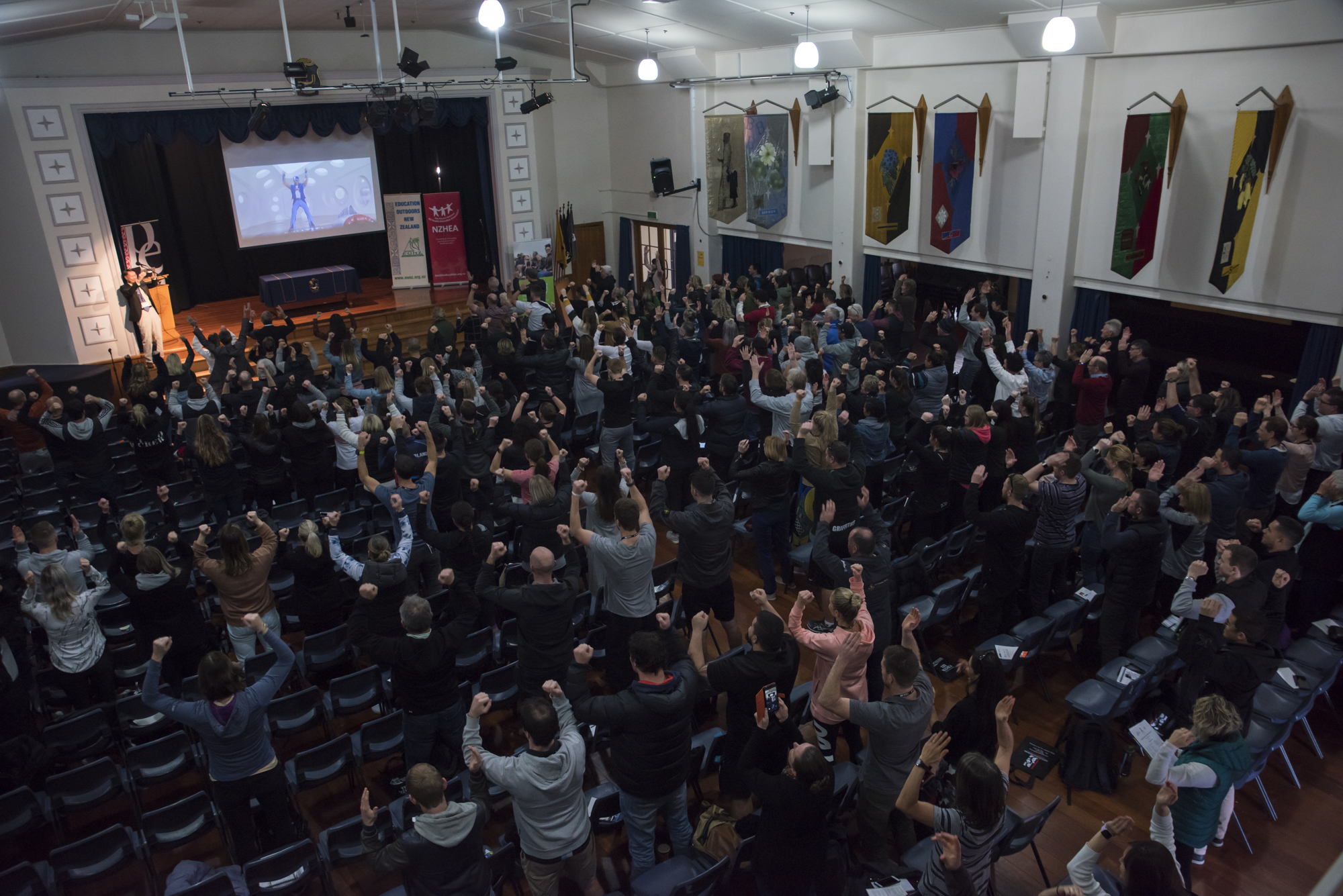
Image: a PENZ conference from 90s.
PENZ in the twenty-first century
Since adopting the PENZ name, the organisation has continued to evolve
alongside the profession. Its work has included conferences,
publications, curriculum leadership, professional learning, partnerships,
awards, advocacy, research, teacher support, and the development of a
stronger national community.
2006
International conference partnership
PENZ organised an international conference in association with
ICHPER, continuing the organisation’s tradition of connecting the
New Zealand profession with international ideas and networks.
2010s
A changing professional landscape
Digital communication, curriculum reform, new research, changing
teacher needs, and stronger cross-sector partnerships influenced
how PENZ connected with and supported the profession.
2020s
Renewal, advocacy, and organisational strengthening
PENZ has continued to strengthen its national voice, develop new
professional learning and resources, advocate through curriculum
reform, support emerging leaders, and build partnerships across
education, physical activity, research, and government.
2027
Ninety years of collective contribution
PENZ will mark its 90th year by recognising the people and
communities who shaped the organisation and by looking ahead to
the future of physical education in Aotearoa.
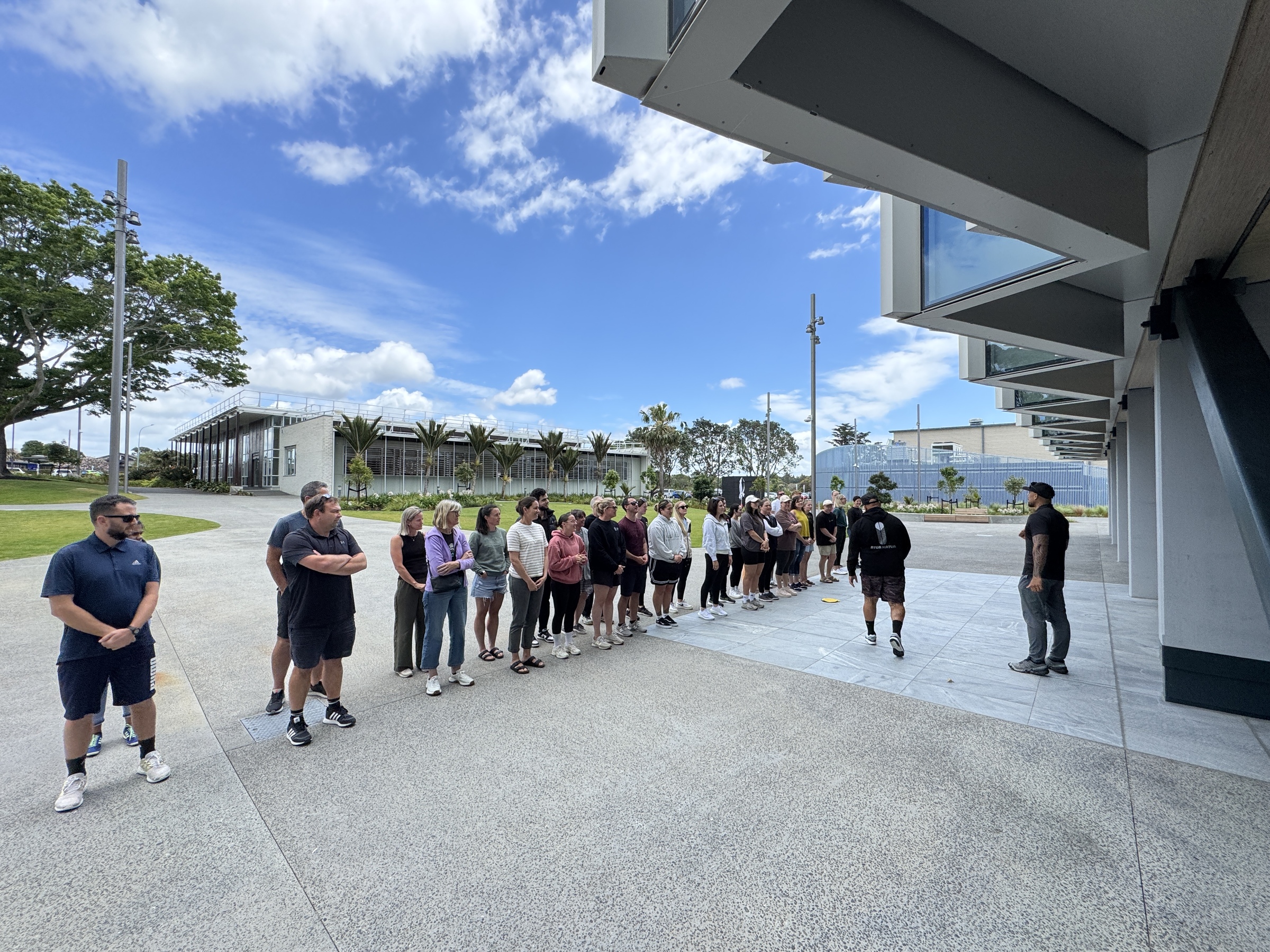
Image: a pratical workshop learning about Atua Matua.
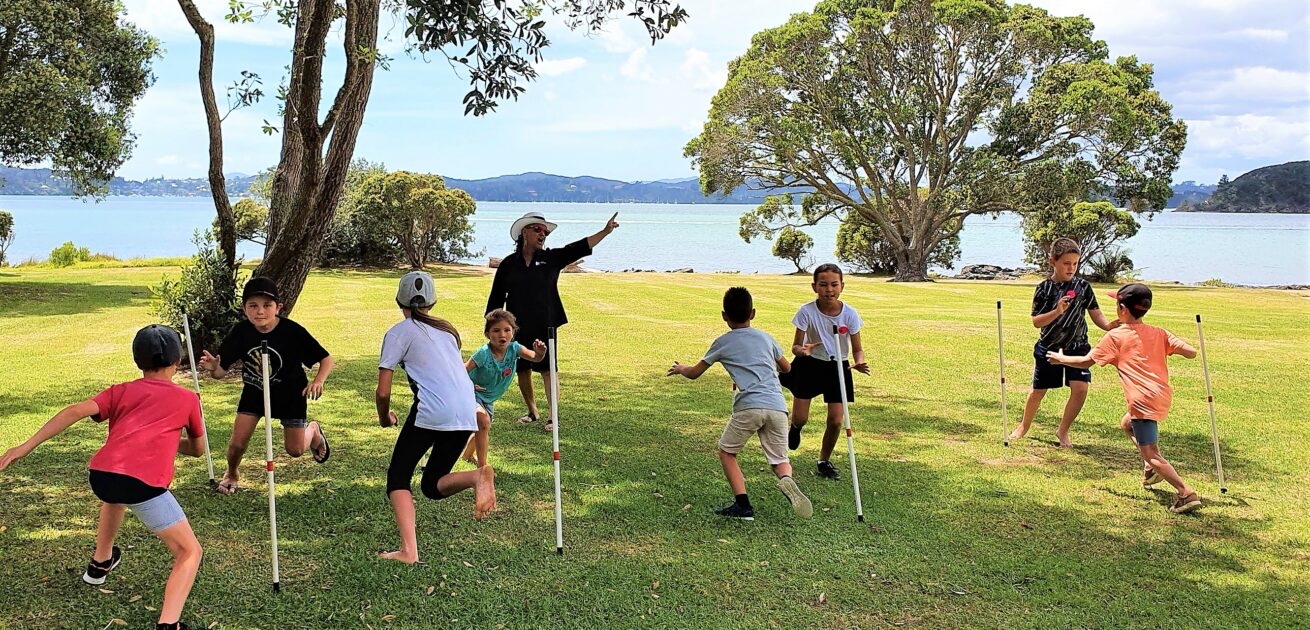
Image: ākonga engaged in physical education.
An enduring legacy
While the organisation’s name and structure have changed, several themes
have remained consistent throughout its history.
Professional connection
Bringing educators together to share knowledge, debate ideas, build
relationships, and learn from one another.
Leadership and advocacy
Speaking for the profession and working to strengthen the place,
quality, and purpose of physical education.
Learning and service
Supporting teachers, recognising contribution, developing resources,
and investing in the future of the profession.
About this history
This page draws substantially on Bob Stothart’s
For the Record: A Reference Book About New Zealand Physical
Education, first compiled in 1996 with support from PENZ through the
Sir Alexander Gillies Award.
Stothart described the work as an attempt to record people, places,
events, programmes, and ideas before they were lost or forgotten. This
page continues that intent while presenting the history in a shorter,
accessible web format.
PENZ history belongs to the people who built and sustained the
profession. If you hold photographs, publications, conference material,
records, or stories that could strengthen this archive, we would be
pleased to hear from you.